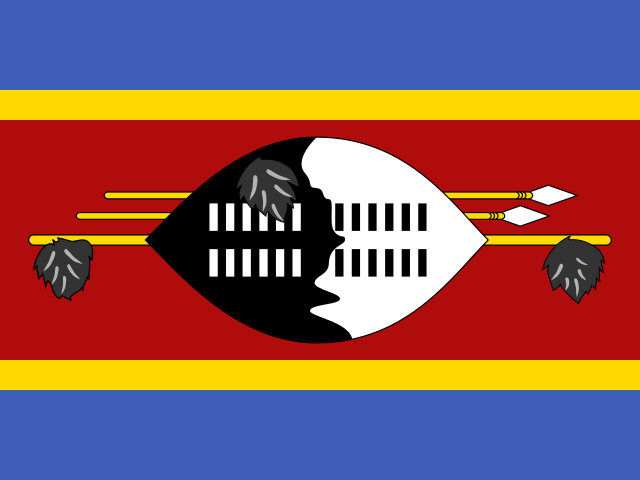
Eswatini
Capital
Mbabane (administrative), Lobamba (royal and legislative)
Population
~1.2 million
Currency
Lilangeni (SZL), pegged to South African Rand
Quick Facts
- Languages
- Swazi, English
- Religion
- Christianity (majority), indigenous beliefs
- Climate
- Temperate to subtropical; rainy summers (October-March), dry winters
Culture & History
Known for: being Africa's last absolute monarchy, vibrant cultural festivals (Incwala and Umhlanga reed dance), and high HIV/AIDS prevalence
Also famous for: stunning mountain landscapes, wildlife reserves, and traditional handicrafts (basketry, glassware)
Food: Sishwala (thick maize porridge), sidvudvu (pumpkin mash), and grilled meats
Brief History
Protected from British and Boer rule by King Mswati II; British protectorate (1906-1968); gained independence as Swaziland (1968); renamed Eswatini (2018); faces challenges of poverty and health crises despite middle-income status